“Have nothing in your house you do not know to be useful or believe to be beautiful.”
William Morris
When people think of a design style of Traditionalism or the New Right, what’s likely conjured up in the mind is antiques, grand pianos, oriental rugs, and historic houses. I propose that Minimalism is one of the best types of decor for the modern-day Traditionalist. Here’s why.
Minimalism Is European
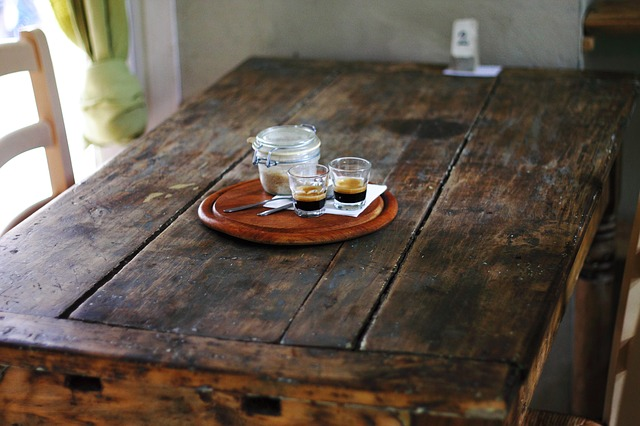
To the untrained eye, minimalism is nearly indistinguishable from modern Scandinavian design. Both feature the use of pastels, open spaces, windows to allow in light, and simplistic, modern furniture. The main difference is that modern Scandinavian design focuses on the use of natural materials, whereas minimalist design includes man-made materials like chrome, steel, and plastics.
Though the origins of minimalism are debated, and its philosophy may be more Leftist than Traditional, it’s a movement that evolved in Europe. Japan—long a holdout of Traditionalism—is said to be obsessed with minimalism, an outcome of overcrowded cities combined with the simple lifestyle advocated by Buddhism.
Minimalism is Versatile
Your own flavor of minimalism doesn’t have to be white and grey with modern furniture. The point of minimalism is to have few items, and that could express itself through any decor.
Less Stuff = A Life Not Centered on Consumerism
Traditionalist philosophy holds that life should be focused on the transcendent, and ordered by divine principles. Our modern life is ruled by taking care of stuff—buying it, repairing it, cleaning it, rearranging it, storing it, and figuring out how to get rid of it. Celebrating holidays with lots of gifts means time spent shopping, wrapping, shipping, and then returning things you don’t want. People work more hours to afford everything.
With minimalism, your time is returned to you, almost like becoming a child again. Dishes you don’t own don’t pile up in the sink. Laundry doesn’t take all day when it must be done weekly. Less furniture means less to clean and dust. A simple diet means less time searching for recipes, shopping, and preparing food. Your world is opened up to all the things you used to enjoy.
Simple Living Is Traditional
Our ancestors lived with very little. Today’s middle class have more stuff than many rich people of the past, albeit of a lesser quality. All the technological advances, from cars to computers, have left us stressed and with less time.
Simplifying life is about fewer things, but also about simplifying everything else—our beauty routines, what files we keep on our computers, what hobbies we pursue, how we exercise. How many times have people purchased crazy workout gear, only to have use it a few months before it sits in the closet? Minimalism is about making due with what we have rather than looking for the next gadget that will revolutionize our life. That makes things a bit harder sometimes, since rather than blaming our faults on a lack of money, we have to figure out a way to be happy in the moment.
More Time and Money for Pursuits Outside of Materialism
Minimalism gives you freedom. The average American spends most of their free time taking care of their stuff: everything from cleaning it, repairing it, moving it around, or just thinking about it. Having less means having more free time for traditional pursuits—time spent with family, on hobbies, crafts, exercise, gardening, or entertainment.
Live Like a Monk or Soldier
Julius Evola said there are two paths for men in the modern world, the path of action or the path of contemplation. Minimalist style can reflect either of these. Though you probably wouldn’t want to live in a small monk’s cell, a minimalist lifestyle can mimic it by having few possessions.
Better for the Environment
Americans are 5 percent of the world’s population but consume 24 percent of the world’s energy. An average American consumes as much energy as 6 Mexicans, or as much as 13 Chinese, or 31 Indians, or 370 Ethiopians. It’s unlikely that anyone would suggest that Mexicans consume less since they consume as much as 62 Ethiopians, but Americans really do have way too much stuff and there’s no doubt it impacts the environment. By living a minimalist lifestyle and buying less, the earth benefits. It would be nice if our leaders quit making so many more Americans via immigration, but while we wait for that, we can limit our footprint while simplifying our lives.
Minimalism Is in Good Taste
Okay, some minimalist decor is horrid, when it veers into the all-white, industrial look. But generally speaking, focusing on having fewer items makes a place look better, not worse. If your budget is limited, it gives you the opportunity to have a few, high-quality pieces rather than a house full of poor quality.
And Finally . . . Minimalism Is Within Reach of Everyone
Most of us can’t afford the types of houses and decor we’d have in an ideal world. High-quality furnishings are expensive, antiques and oil paintings even more so. Minimalism puts a tidy and neat home within reach of everyone.