Tag: Philosophy
-

Advice from Plato on Keeping New Years’ Resolutions
The writings of ancient philosophers can be extremely useful for daily life in the modern world. This is especially true for the Greek philosopher Plato (c. 428–348 BC). In The Republic, he outlined the ideal way a person should structure his mind, spirit, and emotions. Plato didn’t specifically mention New Years’ resolutions (the tradition of making promises…
-
Paideia: The Ancient Greek Art of Becoming an Educated Citizen
Paideia is a concept from ancient Greece that referred to the training and education of the ideal aristocratic member of the city-state. This training included the liberal arts, philosophy, sciences, being a moral person, and also being physically fit. It derives from the Greek word for the rearing of a child or discipline (in the sense of…
-
Greatness of Soul: Six Characteristics of Aristotle’s Ideal Person
Before the small-souled bugman, there was Aristotle’s small-souled person. In his Nicomachean Ethics, Aristotle describes the small-souled person as someone a bit too weak, a bit too eager to self-depreciate. The kind of person who “seems to have something bad about him” (probably because he thinks something’s bad about him). This post may contain affiliate…
-

Hygge: The Nordic Art of Happy Living
Hygge is a Danish word for finding happiness in the little things in life. More specifically, it’s a way of taking ordinary events and making them cozy and comfy. It encompasses everything from comfort food to inviting interior design to close friendships. The word comes from the Old Norse hyggja, which means “thinking and feeling satisfied and is related…
-
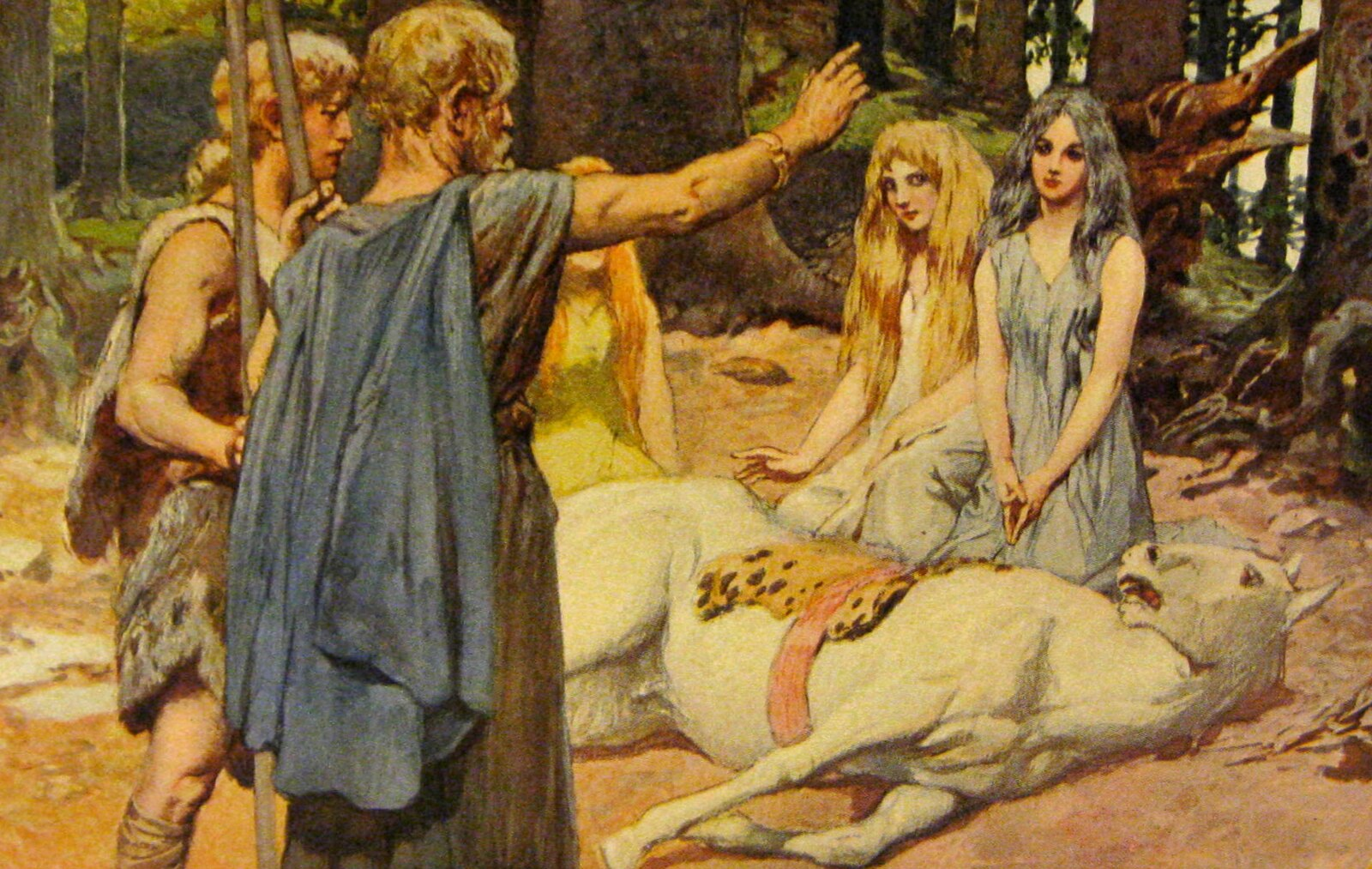
Frith: The Norse Art of Peaceful Families and Communities
Frith is a northern European concept that’s almost exclusively discussed in the realm of Asatru. It’s such an important value that it’s time to bring it out of the pagan fringe and back into mainstream European culture. In Old Norse, frith (friðr) means “peace,” specifically the security, peace, and happiness found in one’s family and…
-
Xenophon on Home Economics
The world’s first text on home economics gives an idea of its great import. Xenophon, an Athenian, was born in 431 B.C. and was a pupil of Socrates. He fought with the Spartans and was exiled from Athens before settling in Corinth. The format of his book, Oeconomicus, will be familiar to lovers of Plato, as…