Tag: Tradition
-

Hygge: The Nordic Art of Happy Living
Hygge is a Danish word for finding happiness in the little things in life. More specifically, it’s a way of taking ordinary events and making them cozy and comfy. It encompasses everything from comfort food to inviting interior design to close friendships. The word comes from the Old Norse hyggja, which means “thinking and feeling satisfied and is related…
-
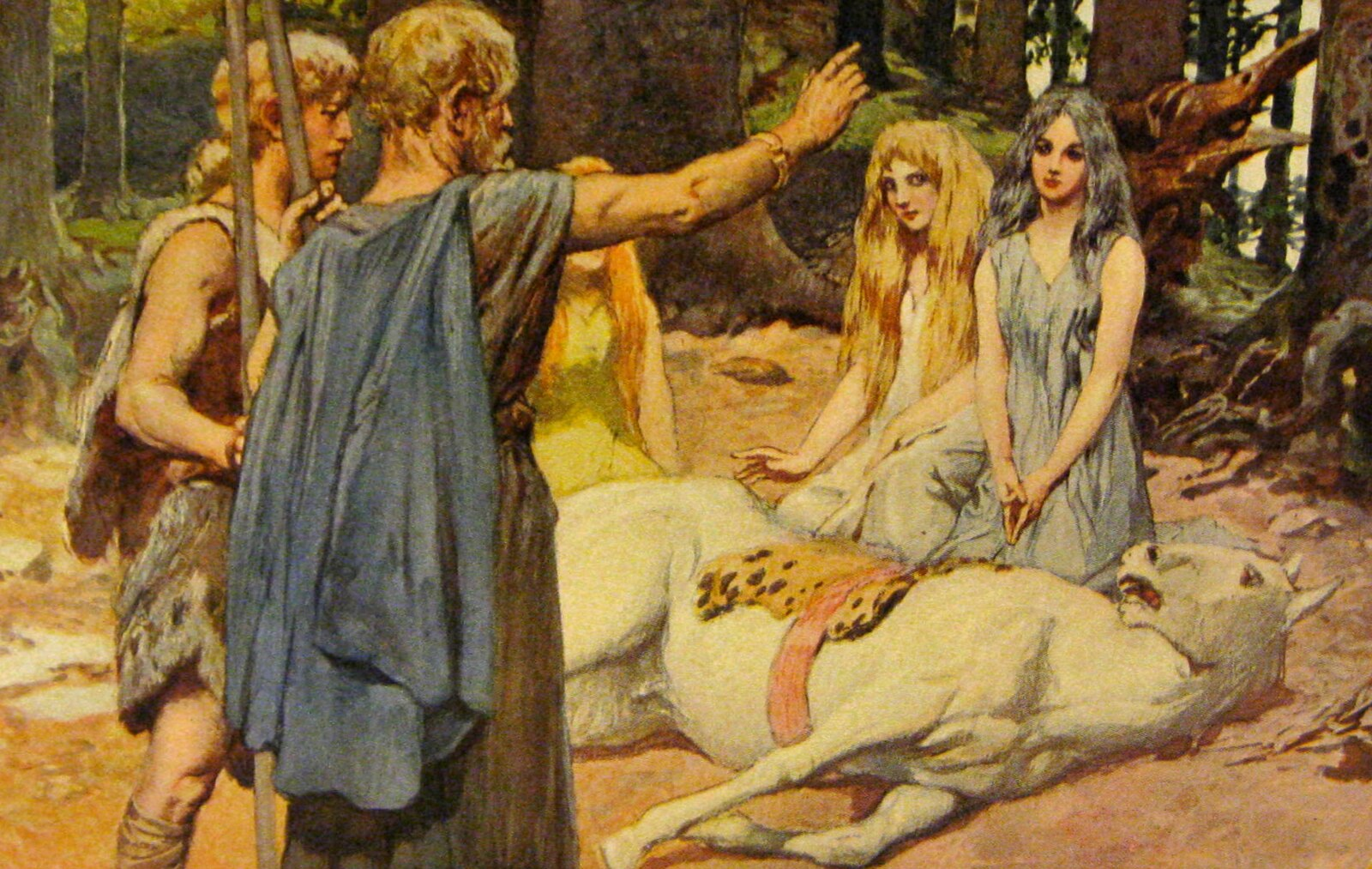
Frith: The Norse Art of Peaceful Families and Communities
Frith is a northern European concept that’s almost exclusively discussed in the realm of Asatru. It’s such an important value that it’s time to bring it out of the pagan fringe and back into mainstream European culture. In Old Norse, frith (friðr) means “peace,” specifically the security, peace, and happiness found in one’s family and…
-

Minimalism: A Traditionalist Aesthetic
“Have nothing in your house you do not know to be useful or believe to be beautiful.”William Morris When people think of a design style of Traditionalism or the New Right, what’s likely conjured up in the mind is antiques, grand pianos, oriental rugs, and historic houses. I propose that Minimalism is one of the best…
-
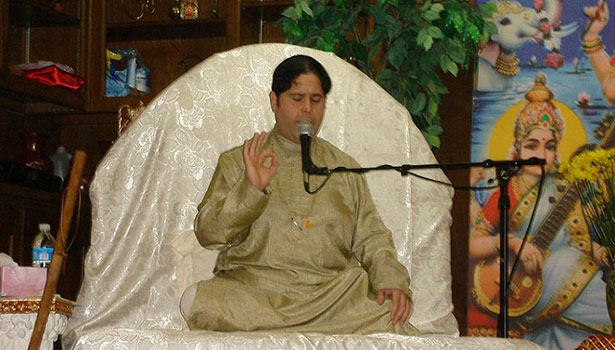
The Dharma Manifesto by Sri Dharma Pravartaka Acharya: Book Review
Sri Dharma Pravartaka AcharyaThe Dharma Manifesto: A New Vision for Global TransformationArkos Media, 2013 This post may contain affiliate links. If you make a purchase through these links, I may earn a small commission at no additional cost to you. The Dharma Manifesto is a socio-political call for activists to push societies closer to the principles…
-
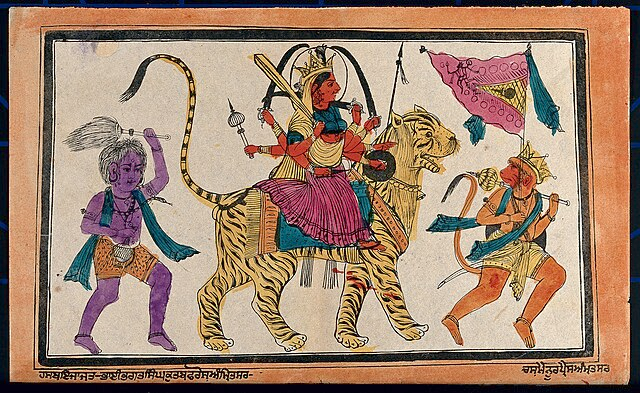
Ride the Tiger: Julius Evola on Living in the Modern World
One of the most popular ideas developed by Julius Evola is to “ride the tiger,” a reference to a Hindu parable about a tiger running toward someone. Rather than being attacked, the person jumps on the tiger and rides it, until the tiger is tired of running. Such an action has parallels to walking the…
-
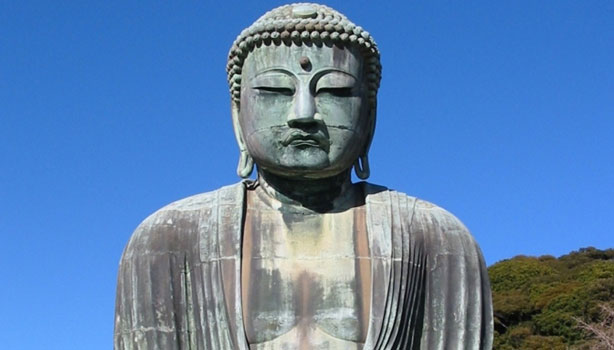
Julius Evola’s The Doctrine of Awakening: Book Review
Julius EvolaThe Doctrine of Awakening: The Attainment of Self-Mastery According to the Earliest Buddhist TextsInner Traditions, 1996 In The Yoga of Power, Julius Evola wrote about the alchemical “wet path” based on esoteric Hinduism. In The Doctrine of Awakening he turns his attention to the “dry path,” an intellectual and ascetic path of detachment based on Theravāda Buddhism. This post…